
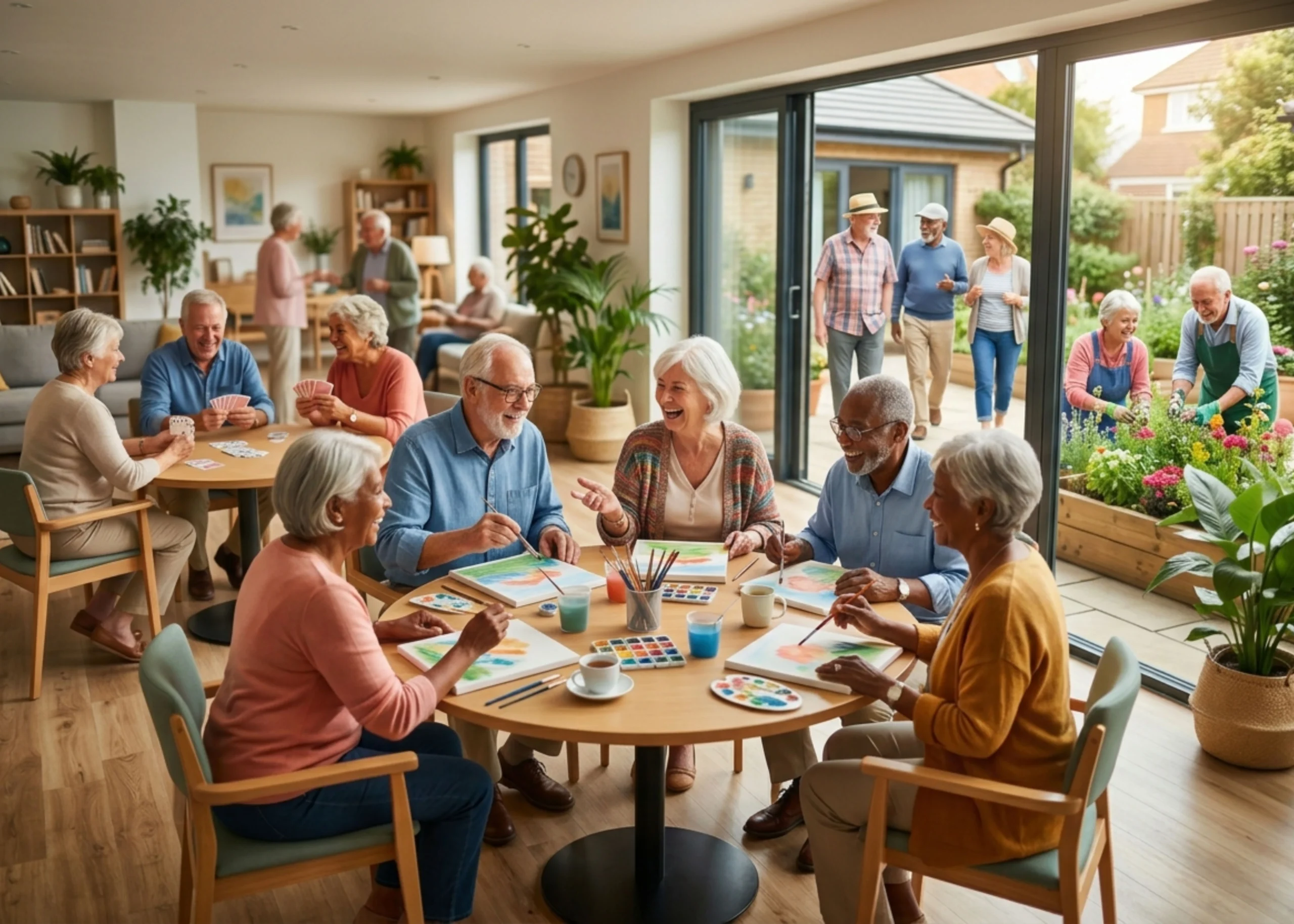
Loneliness among older adults is not just a feeling; it is a genuine health concern. Research from the Australian Institute of Health and Welfare highlights that social isolation in seniors is linked to increased risks of depression, cognitive decline, and even heart disease. Yet, the solution is not complicated. It comes down to staying connected, and that connection begins with the right kind of engagement.
Participating in dedicated social activities for seniors is one of the most effective and natural ways to rebuild those bonds, restore a sense of belonging, and genuinely improve quality of life. But how exactly does that happen? And what does it look like in practice?
How Do Social Activities Help Seniors Stay Connected to Their Community?
This is one of the most common questions families ask, and the answer lies in routine. When seniors participate in regular activities within a community setting, they naturally build relationships with neighbours, staff, and fellow residents. Social connection for seniors is not built in a single conversation; it is built through consistent, repeated, low-pressure interactions.
Whether it is a weekly trivia night, a shared lunch table, or a book club, these rituals stitch people together over time. This consistent engagement creates a reliable framework where older adults feel acknowledged, valued, and deeply embedded in their local neighbourhood.
Here are 10 clear, practical ways those connections take root and make a real difference.
1. Group Activities Create a Built-In Sense of Belonging
Walking into a room full of familiar faces changes everything. Whether it is a weekly card game, a craft session, or a fitness class, group-based senior social activities offer something no medication can replicate: a sense of belonging. That shared rhythm of showing up, participating, and being noticed tells the brain: you matter here. Over time, those group settings become the social anchors that keep loneliness at bay.
2. Creative Classes Open Doors to New Friendships
Painting, pottery, photography, and music are not just hobbies; they are conversation starters. When seniors sit side by side working on a shared creative task, barriers drop naturally. You do not need to find the right words when your hands are busy, and your focus is shared. Many retirement communities find that art and music programs consistently lead to some of the deepest and most lasting friendships among residents, simply because creativity invites people to be themselves.
3. Physical Activities Combine Movement With Meaningful Connection
Gentle yoga, walking groups, and tai chi are among the most popular social activities for seniors, and for good reason. They serve double duty. The movement itself releases endorphins that lift mood, while the group format ensures no one has to move through life alone. A morning walk with a neighbour becomes a ritual. That ritual becomes a relationship. That relationship becomes a lifeline.
4. Volunteer Opportunities Restore Purpose and Self-Worth
Few things chase away loneliness faster than feeling needed. When seniors volunteer, whether it is reading to children at the local library, packing food hampers, or helping at a community garden, they are not just giving back. They are reconnecting with a world that can sometimes feel like it has moved on without them. That restored sense of purpose directly counters the withdrawal that often comes with social isolation.
5. Technology and Digital Skills Classes Bridge the Distance Gap
Children move interstate. Grandchildren grow up and get busy. But a video call can close that distance in seconds. Technology workshops offered in retirement villages and senior centres are quietly transformative. Learning to use a smartphone, video calling, or social media does more than teach new skills; it reopens channels of connection that many seniors assumed were permanently closed. Staying digitally connected is now a genuine pillar of social connection for seniors.
6. Gardening Groups Bring People Together Around a Shared Living Thing
There is something deeply social about tending a garden with others. Community gardening programs are among the most underrated senior social activities because they work on multiple levels at once. The physical activity is gentle but meaningful. The outdoor setting is naturally calming, and working toward a shared goal, such as a flourishing bed of vegetables or a beautiful flower display, gives participants something meaningful to talk about, care for, and celebrate together.
7. Book Clubs and Learning Groups Stimulate the Mind and the Social Life Simultaneously
Intellectual engagement matters. Cognitive health in older adults is closely tied to mental stimulation, and book clubs, discussion groups, or lifelong learning programs provide exactly that. But beyond the brain benefits, these groups give seniors a reason to gather, disagree respectfully, share opinions, and feel genuinely heard. That experience of being listened to, of having your perspective valued, is something loneliness quietly takes away.
8. Shared Meals and Dining Events Turn Every Day Into an Occasion
Eating alone is one of the quiet markers of loneliness that often goes unnoticed. Shared mealtimes, whether through formal dinner, morning tea gathering, or casual barbecue, transform an everyday routine into a meaningful social experience. The table becomes a gathering place. Conversations happen naturally. Laughter follows food. In retirement living environments that prioritise communal dining, residents consistently report higher levels of happiness and lower feelings of isolation.
9. Intergenerational Programs Remind Seniors That Their Stories Still Matter
Programs that bring older adults together with younger generations, such as school visits, mentoring initiatives, and storytelling sessions, do something quietly powerful. They remind seniors that their lived experience, wisdom, and stories carry real value. Being genuinely listened to by a young person who finds your life fascinating is one of the most affirming experiences available to an older adult. It also challenges the isolation that can come from feeling out of step with a fast-moving world.
10. Religious and Spiritual Gatherings Offer Community Rooted in Shared Values
For many seniors, faith communities are the original social network. Church services, prayer groups, and faith-based social events provide a consistent connection built on shared values and a warm, welcoming environment. For those who have attended the same congregation for decades, these gatherings carry deep history and comfort. For those new to a community, faith-based activities can also provide a warm and supportive way to build new social connections.
Making Social Connection a Daily Reality
Reducing loneliness in older adults is not a one-time event; it is a daily commitment built into the environment in which people live. The right retirement community does not just offer activities; it weaves social connections for seniors into everyday life through morning walks, shared meals, and group classes, helping life feel active, connected, and meaningful rather than isolated or quiet.
If you or a loved one is ready for retirement living where community is a genuine priority, we would love to hear from you. At Oasis Garden Village, connection is at the heart of everything we do.
Contact our team today to find a community where life feels connected, supported, and fulfilling.